


You brush, you try to remember flossing, you mean to schedule the checkup, then life gets loud. A child wakes up with a toothache before school. A college student puts off a cleaning because money is tight. An older parent says their dentures are “fine” even though eating hurts. Most people do not ignore oral health because they do not care. They fall behind because daily life keeps moving, and small problems in the mouth stay quiet until they are expensive, painful, or both, which is why seeing an experienced dentist in Dexter can make a difference.
That is why preventive dental care matters at every age. It protects teeth and gums before damage builds, it lowers the chance of infection and tooth loss, and it often saves money by catching problems early. A good relationship with a general dentist is not only about fixing cavities. It is about keeping your mouth working well through childhood, adulthood, and the senior years.
Preventive dentistry changes what happens before pain starts
Many dental problems begin without obvious symptoms. A cavity can form long before you feel it. Gum disease can start with a little bleeding in the sink and turn into loose teeth years later. Grinding can wear enamel down so slowly that you do not notice until sensitivity shows up with coffee, cold water, or even breathing through your mouth on a winter day.
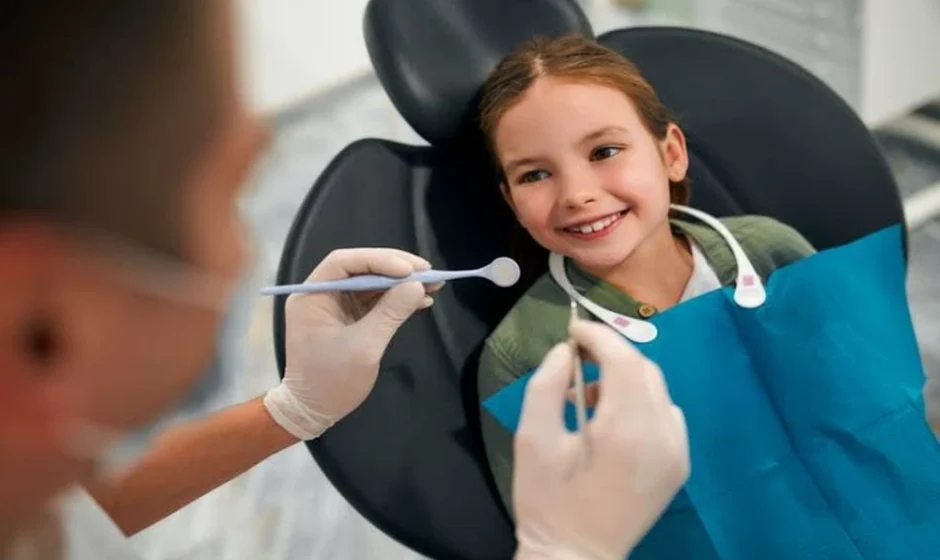
Children need prevention because baby teeth hold space for adult teeth and support speech, nutrition, and confidence. The CDC shares practical oral health tips for children that reinforce how early habits shape long-term health. A skipped cleaning at age seven may not sound serious, but untreated decay can affect sleep, school focus, and eating. That stress lands on the whole family.
Adults often carry a different kind of strain. Work schedules, caregiving, insurance limits, and plain exhaustion make oral health easy to push aside. The CDC also outlines oral health tips for adults because the risks shift with age. Dry mouth from medication, gum recession, smoking, diabetes, pregnancy, and stress can all increase the chance of oral disease. You may look fine from the outside while your gums are quietly inflamed.
Older adults face another layer. Teeth have years of wear, fillings can break down, and health conditions often overlap. Research from the National Institute of Dental and Craniofacial Research shows that oral health is closely tied to quality of life, nutrition, speech, and social connection. If chewing becomes hard, people often stop eating the foods that keep them healthy. If smiling feels embarrassing, they may withdraw without saying why.
Preventive dentistry interrupts that pattern. Cleanings remove buildup you cannot brush away at home. Exams catch cracks, cavities, and gum changes early. Fluoride, sealants, bite checks, and personalized home care advice lower the odds that a small issue turns into a major one. This is not about perfection. It is about staying ahead of trouble.
Preventive dental care lowers long-term cost and stress
The financial side matters because dental care feels easier to delay when nothing hurts. The problem is that delay often raises the bill. A routine exam and cleaning cost far less than a filling, root canal, crown, extraction, or denture repair. Time off work, missed school, emergency visits, and pain medication add to the cost in ways people do not always count at first.
You can see the difference clearly when you compare prevention with waiting for symptoms.
| Situation | Preventive Approach | Wait Until It Hurts |
|---|---|---|
| Child with early enamel weakness | Exam, fluoride, sealants, diet guidance | Cavity, pain, filling, possible school absence |
| Adult with bleeding gums | Cleaning, gum evaluation, home care changes | Progressing gum disease, deeper treatment, tooth mobility |
| Senior with worn filling | Routine visit finds damage early, simple repair | Cracked tooth, infection, crown or extraction |
| Night grinding | Bite assessment, custom night guard | Tooth fractures, jaw pain, costly restoration |
This is the practical value of preventive oral health care. It reduces surprises. It gives you more control over timing, cost, and treatment choices. It also protects the parts of life people rarely connect to dentistry until something goes wrong, including sleep, eating, speaking, and confidence in social settings.
Healthy habits and regular dental visits work together
Home care is the base, but it is not the whole structure. Brushing twice a day with fluoride toothpaste, cleaning between teeth, drinking water, and limiting frequent sugary snacks all matter. They still do not remove hardened tartar, show you a hidden crack, or measure gum pockets. Professional care fills those gaps.
This is where a family dental prevention plan becomes useful. A child may need sealants. A teen with braces may need extra cleaning support. An adult who clenches their jaw may need a night guard. A senior with arthritis may need easier tools for brushing and flossing. The goal stays the same, but the plan should fit the person, not the other way around.
Three steps you can take right away
1. Book routine care before there is a problem. Put dental exams and cleanings on the calendar the same way you handle school forms, oil changes, or annual physicals. Prevention works best when visits are regular, not crisis-driven.
2. Match home care to your stage of life. Children may need help brushing longer than parents expect. Adults with dry mouth may need fluoride support and more frequent hydration. Seniors may benefit from soft-bristle brushes, floss holders, or prescription products if decay risk rises.
3. Pay attention to small warning signs. Bleeding gums, bad breath that stays, sensitivity, mouth sores, loose teeth, jaw soreness, and changes in the way dentures fit should not be brushed off. Small signs are often early signs, and early signs are easier to treat.
Preventive dentistry protects comfort, confidence, and daily life
A healthy smile is not only cosmetic. It affects how you eat, how you speak, how well you sleep, and how comfortable you feel around other people. Prevention gives you the best chance to keep those parts of life steady as the years change. Childhood, adulthood, and aging all bring different dental needs, but the same truth holds up across every stage. Small, regular care is easier than repairing avoidable damage later.
If it has been a while since the last visit, you are not alone, and you are not past the point of getting back on track. Schedule an appointment with a general dentist and start with the next step in front of you.