


A replacement quote for central heating and cooling usually arrives as one large number, but that number is built from several layers that have little to do with the box sitting outside. Labor, refrigerant piping, electrical work, duct changes, permits and warranty coverage all sit inside it, and in the Chattahoochee Valley, where a system cools hard for six months and still has to handle freezing January nights, those layers shift more than most homeowners expect. Knowing what each part pays for makes it far easier to compare two quotes that look nothing alike.
That breakdown is exactly what a local contractor should be able to walk you through, and American Heating & Cooling has been doing it for homes and businesses around Smiths Station, Phenix City, Auburn, Opelika and Columbus since 1988. Working from its shop on Lee Road 242, the team installs and services heat pumps, gas and electric furnaces and central air systems from Amana, Daikin and Goodman, handles attic insulation in the same visit when it makes sense, and offers after hours service when equipment fails outside the workday. Requesting an itemized estimate is a simple way to see your own numbers laid out line by line.
The Equipment Itself
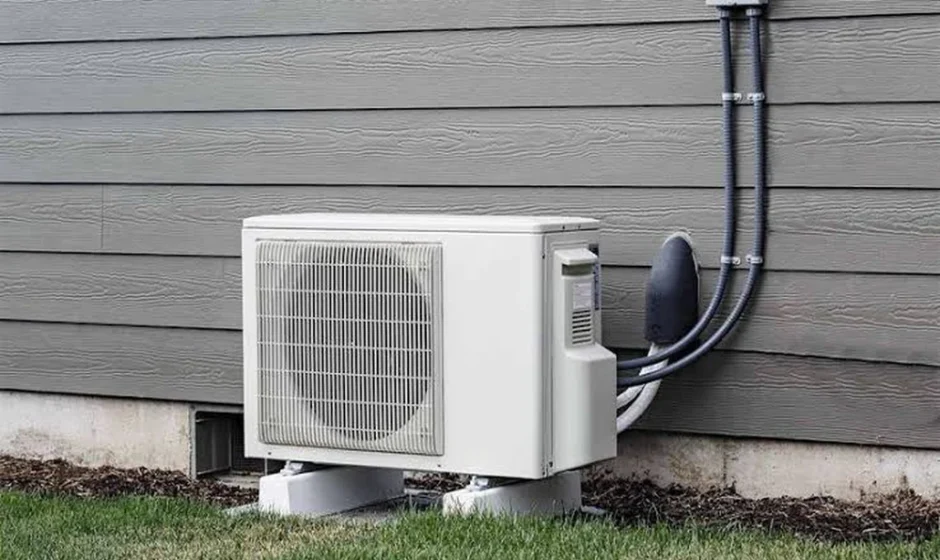
Covers: The outdoor condenser or heat pump, the indoor coil, and the air handler or furnace it pairs with.
Price swing: Efficiency tier and compressor type drive most of the spread. A single stage system meeting the federal Southeast minimum costs far less than a variable speed inverter unit, which runs longer at low speed and pulls more moisture out of humid Alabama and Georgia air.
Local wrinkle: New split systems now use A2L refrigerants such as R-32 or R-454B, and many indoor coils include leak detection sensors that older designs did not need. That added hardware is part of why equipment prices rose over the past two years.
Labor and the Crew’s Day
Covers: Recovering old refrigerant, removing the old equipment, setting the new units, brazing connections, pressure testing, pulling a deep vacuum, charging, and starting the system.
Price swing: A straight swap in an accessible attic may take one day. Crawl spaces, tight closets, a second floor air handler or a move from a furnace to a heat pump can stretch it to two.
Local wrinkle: Attic work in late summer is slow and hot, so some contractors schedule changeouts for early morning or push nonurgent jobs into fall and spring, when crews move faster.
Materials Around the Unit
Covers: Line set, condenser pad, electrical disconnect and whip, condensate drain and safety switch, float switch, and thermostat.
Price swing: Reusing an existing line set saves money when it is the right size and in good condition. Replacing it adds materials and hours but removes leftover oil and moisture from the old system.
Local wrinkle: Heat pumps with backup electric heat strips need controls that keep those strips from kicking on when the compressor can handle the load. The Department of Energy notes that missing heat strip lockout controls are among the most common heat pump installation mistakes, and a thermostat that handles staging correctly is worth paying for in a climate where many winter nights sit near freezing.
Ductwork and the Attic
Covers: Transitions to fit new equipment, sealing leaky joints, replacing crushed flex duct, adding returns, and sometimes insulation.
Price swing: This is the most variable line on any quote. Some homes need nothing beyond a new plenum connection; others have ducts so leaky or undersized that a new system will never perform as rated without repairs.
Local wrinkle: Most homes in the area run their ducts through vented attics that reach well past 130 degrees in July. Leaky ductwork there pulls in hot, humid air, so duct sealing and added attic insulation often save more on summer bills than moving up an efficiency tier.
Permits, Licenses and Paperwork
Covers: Mechanical and electrical permits, inspection scheduling, equipment registration and warranty filing.
Price swing: Permit fees are a small share of the total, but the time spent obtaining permits and meeting inspectors is built into labor rates.
Local wrinkle: The service area crosses a state line. Work in Alabama falls under the state HVAC contractor board, while jobs in Columbus require a Georgia conditioned air license, and each city or county runs its own permit office. A contractor working both sides of the river carries both sets of credentials.
| Line item | Rough share of a typical changeout | What pushes it higher |
|---|---|---|
| Equipment | About 40 to 50 percent | Variable speed compressors, higher efficiency tiers |
| Labor | About 20 to 30 percent | Tight attics, second floor units, fuel switching |
| Materials | About 8 to 12 percent | New line set, upgraded thermostat, drain upgrades |
| Ductwork and insulation | Anywhere from zero to 20 percent | Leaky or undersized ducts, added returns |
| Permits and overhead | About 10 to 15 percent | Multiple jurisdictions, extended labor warranties |
These shares vary from job to job and are meant to show proportion, not to replace an actual estimate.
Discounts That Changed in 2026
Tax credit: The federal home improvement credit that covered 30 percent of a qualifying heat pump, up to $2,000, ended for equipment placed in service after December 31, 2025. Quotes written this year no longer have that credit to lower the effective price, so utility rebates from Alabama Power, Georgia Power or a local electric cooperative now matter more.
Leftover R-410A equipment: In May 2026, the EPA finalized a rule that lifts the installation deadline for R-410A systems built before 2025. Some quotes may include discounted older stock as a result. The lower upfront price is real, but R-410A service refrigerant is expected to grow more expensive as supply declines, which can show up in repair bills years later.
Reading the Bottom Line
Two quotes for the same house can differ by thousands of dollars without either contractor overcharging. One may include a new line set, sealed ducts and a staging thermostat, while the other assumes the existing parts will do. The useful question is not which total is lower, but which line items each quote includes, what each one leaves out, and how those choices will hold up through a humid July afternoon and a cold January night in the Chattahoochee Valley.