

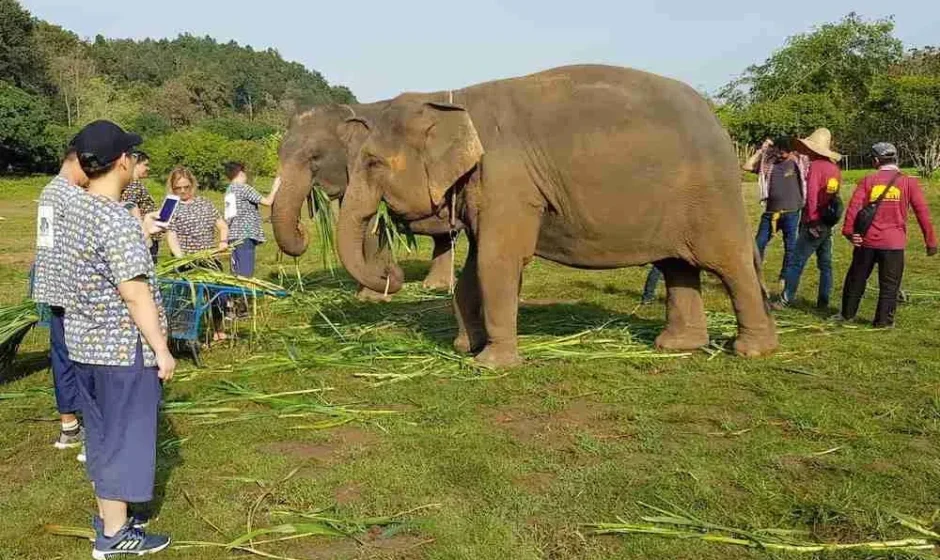

Choosing places that respect animals helps visitors make better choices. An elephant sanctuary samui shows how protected settings can encourage thoughtful visits while supporting proper care. Good sanctuaries focus on natural habits rather than performances. They also teach guests why wild creatures need space, appropriate surroundings, and patient handling. Such places can help local communities gain useful income without putting animals under pressure. Guests can therefore enjoy meaningful moments while learning how daily choices affect animal welfare. Responsible practices create a better balance between visitor interest and animal needs.
Supporting Natural Animal Behaviour Daily
Good sanctuaries allow elephants to walk, rest, feed, and interact naturally without forcing unusual activities for visitors.
Creating Safe Spaces For Elephants
Protected areas give elephants room to move freely while trained caretakers observe their needs and reduce unnecessary stress.
Teaching Visitors About Animal Welfare
Clear guidance helps guests understand respectful behaviour and encourages them to avoid actions that may disturb animals.
Encouraging Better Visitor Choices
Simple rules can guide guests toward gentle conduct while showing why responsible care matters for every animal.
Helping Local Communities Gain Benefits
Ethical places can create local jobs while encouraging residents to protect animals and value natural surroundings.
Reducing Harmful Tourism Practices Over Time
Responsible centres discourage activities that place pressure on elephants and instead promote observation through respectful visitor habits.
Showing Better Tourism Standards
The elephant sanctuary samui model can demonstrate how visitor activities may focus on learning rather than forced animal interaction.
- Keep animal needs central
- Reduce unnecessary crowding
- Follow clear welfare rules
- Train staff regularly
- Review visitor practices often
Creating Lasting Positive Change
Responsible places can influence visitors and communities by proving that animal care can remain central while welcoming guests.
Ethical tourism becomes stronger when visitors select centres that respect animal needs. Choosing responsible places supports better care, fair local work, and lasting protection. Guests should observe quietly, follow staff guidance, avoid forced contact, and value natural behaviour. These simple actions can reduce pressure while encouraging better standards across tourism services. When visitors spend wisely, their choices can help shape kinder practices. A thoughtful visit is therefore more than a short outing because it can contribute to stronger care and greater respect for animals.
FAQs
What makes an elephant sanctuary responsible?
A responsible sanctuary protects natural behaviour, limits forced contact, provides suitable surroundings, and places animal welfare above visitor entertainment.
How can visitors support ethical elephant care?
Visitors can follow rules, avoid forced interactions, observe quietly, and choose centres that openly explain their animal welfare practices.
Why does responsible tourism matter for elephants?
It reduces harmful practices, encourages proper care, supports local workers, and helps visitors understand respectful relationships with wildlife.