

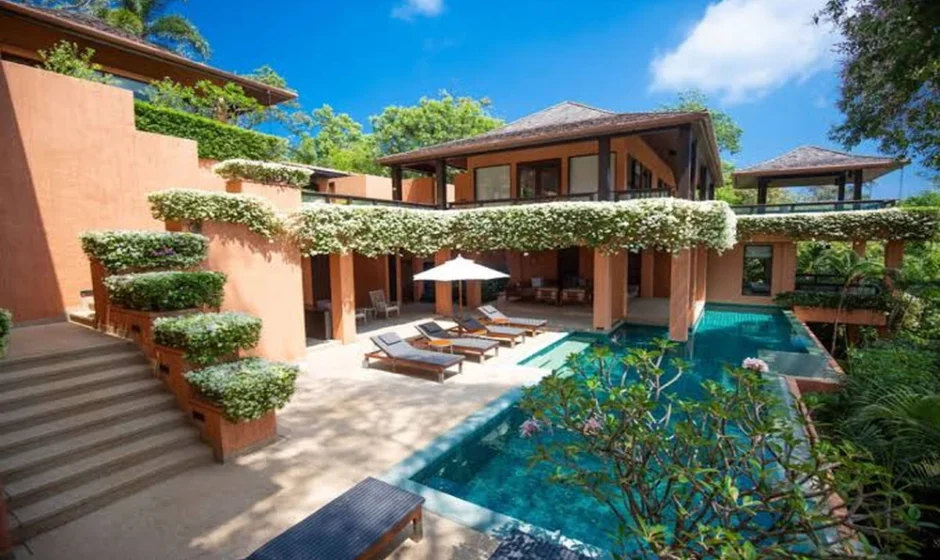

Two guests arrive on the same afternoon. One wants to sleep through the night again after months of 3 a.m. emails. The other wants to get fit enough to keep up with her kids on weekend hikes. They’re handed the same welcome drink, but by the next morning their days look nothing alike. That’s the point of a good wellness resort rawai phuket stay. The programme bends to the person, not the other way around.
Why Rawai Makes Sense for Focused Goals
Rawai sits at the southern tip of Phuket, quieter than the island’s busier beach towns. Mornings are slow, with fishing boats heading out and joggers on the shoreline. Evenings bring sunsets over the headland and early, unhurried dinners.
The area also has a long tradition of Muay Thai training, with camps scattered around the south of the island. Fitness feels woven into daily life here. That helps. When everyone around you is out walking at sunrise, it’s easier to join them.
It Starts with a Proper Conversation
Personalised programmes usually begin with a consultation. A trainer or wellness coach asks about sleep, stress, movement, eating habits, and what you’d realistically like to change. Some resorts add a simple fitness check, such as flexibility or a short walking test.
That first talk matters more than most guests expect. A clear goal changes everything that follows. “Feel better” is vague. “Fall asleep before eleven without scrolling” gives a coach something real to build around.
Harder Isn’t Always Better
Here’s a belief worth challenging. Many guests assume the toughest schedule delivers the fastest results. Two workouts a day, minimal rest, strict meal plans. It feels productive.
In Phuket’s heat and humidity, that approach often backfires. Overtraining leads to exhaustion, poor sleep, and sometimes injury, which undoes the whole point. Good coaches build in recovery, schedule demanding sessions early in the cooler morning hours, and treat rest as part of the programme rather than a break from it.
The belief survives because effort feels like progress. Sweating through a third session of the day seems virtuous. Waking up rested the next morning is less dramatic, but far more useful.
How Programmes Differ by Goal
At a wellness resort Rawai Phuket guests choose for specific aims; the shape of each day changes depending on what someone wants to work on.
- Sleep. Evening yoga, no caffeine after lunch, a set lights-out time.
- Fitness. Muay Thai basics, strength circuits, sunrise beach runs.
- Stress. Meditation, breathing practice, long quiet walks by the water.
- Eating habits. Nutrition chats, market visits, simple cooking classes.
- General reset. A gentle mix of all of the above, at your own pace.
There’s a noticeable feeling around day four. The routine stops feeling like effort and starts feeling normal. That’s usually when habits begin to stick.
Timing Your Stay
Phuket’s drier, cooler months usually run from around November to April, which suits outdoor training. The wet season, roughly May to October, brings heavier rain and quieter resorts, often with lower rates. Many programmes move sessions indoors when storms roll through, so it’s still workable.
Common Questions
- Do I need a certain fitness level to join? No. Good programmes start wherever you are and adjust as the week goes on.
- How long should a wellness stay last? Five to seven days is a common starting point for settling into new routines.
- Is Muay Thai suitable for beginners? Yes. Trainers often focus on technique and conditioning rather than sparring.
- What happens after I leave? Many resorts share a simple plan to help you continue key habits at home.
Before Booking Your Stay
Pick one goal and write it as a single, specific sentence. Not “get healthier,” but something you could check off in a week. Send it to the resort before you arrive, and ask exactly how they’d plan your first three days around it.