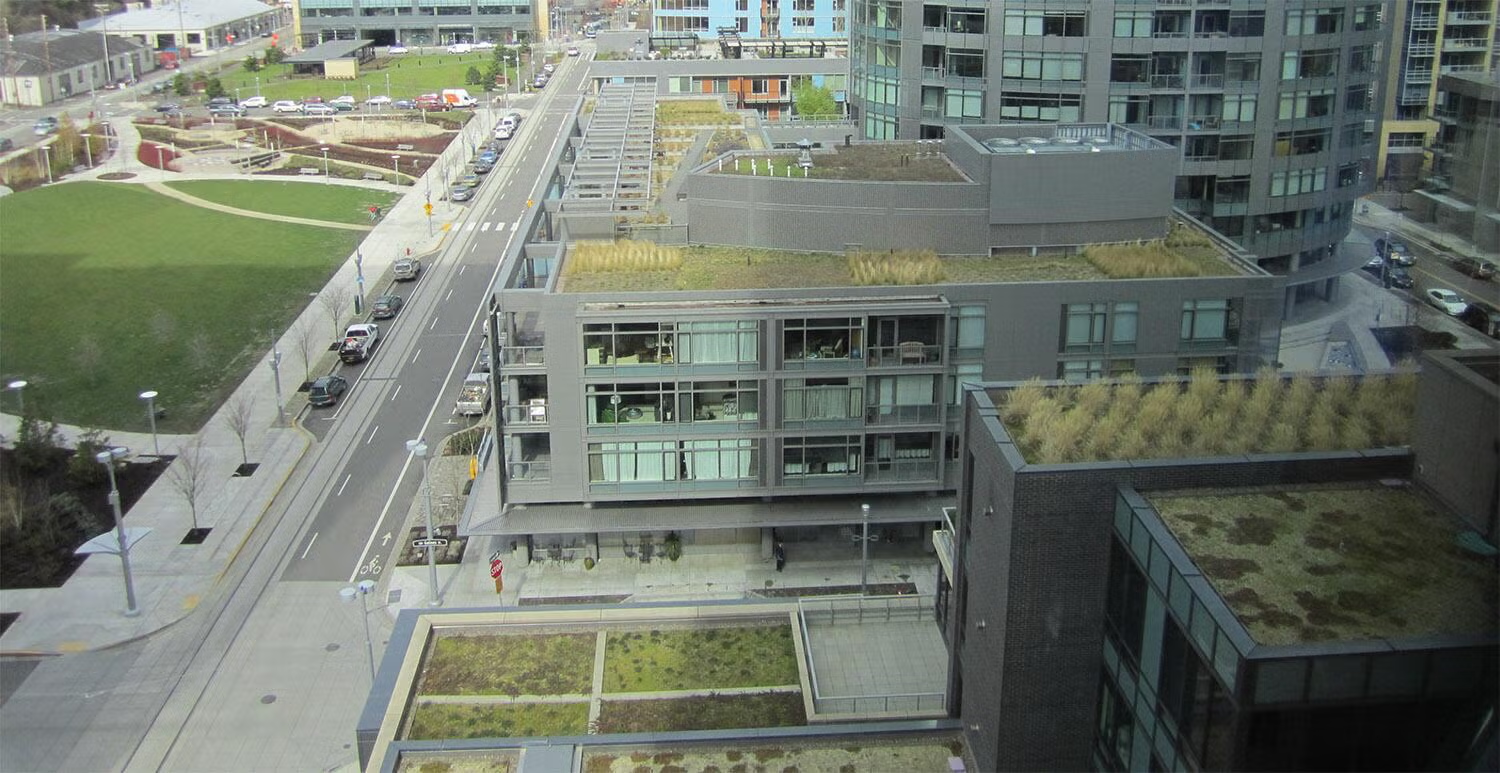

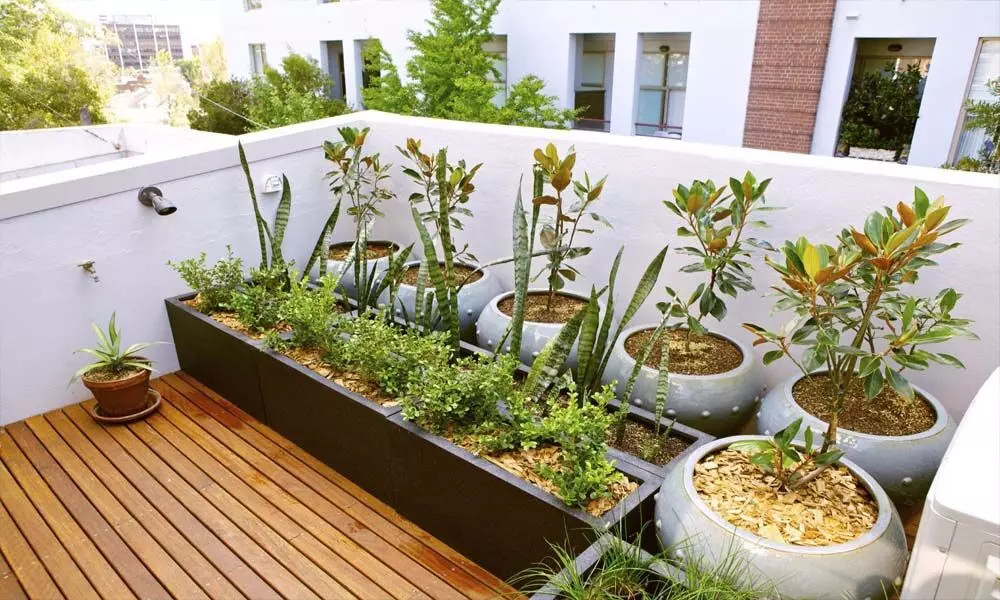

Urban agriculture is gaining momentum across the United States, and Louisville is no exception. With increasing interest in sustainable living and local food systems, edible green roofs offer residents and building owners an opportunity to transform underused rooftop spaces into productive gardens.
These elevated landscapes not only supply fresh produce but also contribute to energy efficiency, stormwater management, and neighborhood resilience within Louisville’s urban environment.
Why Edible Green Roofs Make Sense in Louisville
Louisville’s humid subtropical climate allows for a long growing season, making rooftop gardens a great fit. They reduce heat absorption, absorb rainfall, and ease stormwater infrastructure pressure. These gardens also promote local food production in dense areas and create shared educational spaces in multi-family buildings, schools, and commercial properties, fostering community wellness.
Structural and Safety Considerations
Before planting, structural assessment is essential. Roofs must support the combined weight of soil, plants, irrigation systems, and people. In Louisville, many older brick and flat-roof buildings may require reinforcement before installation.
Key planning steps include:
- Consulting a structural engineer familiar with green roof systems
- Installing waterproof membranes and root barriers
- Designing proper drainage layers to handle heavy rain events
- Ensuring safe access for maintenance and harvesting
Suitable Food Crops for Rooftop Gardens
Successful rooftop farming depends on selecting crops that thrive in shallow soil and windy conditions. In Louisville’s climate, many compact and fast-growing plants perform well.
Recommended crop categories include:
- Leafy greens: Lettuce, spinach, arugula, and Swiss chard grow quickly and tolerate partial sun.
- Herbs: Basil, thyme, oregano, parsley, and chives require minimal space and attract pollinators.
- Root vegetables: Radishes and small carrot varieties perform well in deeper containers.
- Compact fruiting plants: Cherry tomatoes, peppers, and strawberries grow well in raised beds or large planters.
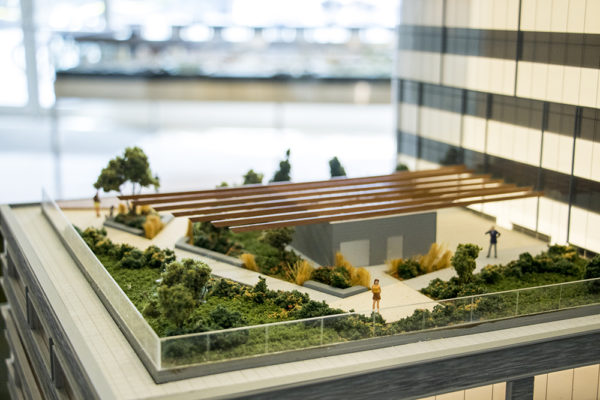
green roof; sustainability; architecture; kevinjbeaty; denver; denverite; colorado;
Soil Depth and Growing Systems
Edible green roofs typically use intensive green roof systems rather than thin, decorative plant layers. These systems provide greater soil depth and flexibility for crop rotation.
Common growing setups include:
- Raised beds built directly on protective roof layers
- Modular planters that allow rearrangement and easier maintenance
- Lightweight soil blends designed to reduce roof load while retaining nutrients
In Louisville, incorporating compost into lightweight soil mixes improves fertility while keeping structural weight within safe limits.
Water Management and Irrigation
Rooftop gardens require consistent watering, especially during Louisville’s hot summer months. Rainwater harvesting systems can supplement irrigation while supporting sustainability goals.
Efficient watering strategies include:
- Drip irrigation systems that minimize water waste
- Moisture-retaining soil additives to reduce evaporation
- Rain barrels connected to rooftop drainage where permitted by local codes
- Automated irrigation timers are helpful for larger rooftop gardens serving multi-unit buildings or commercial spaces.
Maintenance and Seasonal Care
Regular upkeep ensures long-term productivity and roof protection. Tasks such as pruning, fertilizing, pest monitoring, and drainage inspections should follow a scheduled routine.
Seasonal maintenance practices in Louisville may involve:
- Spring soil enrichment and seed starting
- Summer shade management and frequent watering
- Fall crop rotation and roof inspection before winter
- Winter protection for perennial herbs and soil systems
Community and Environmental Benefits
Edible green roofs boost Louisville’s sustainability by reducing urban heat, improving air quality, and supporting biodiversity. They promote food access, nutrition awareness, and community connections, while enhancing corporate social responsibility and employee wellness, and lowering household food costs for residents.
Conclusion
Edible green roofs present a practical and environmentally responsible way to grow food in Louisville’s urban landscape. With careful planning, suitable crop selection, and proper structural support, rooftops can become productive gardens that benefit both building occupants and the wider city.
As interest in urban agriculture continues to grow in Louisville, rooftop food gardens offer a promising path toward healthier communities and more resilient urban design.