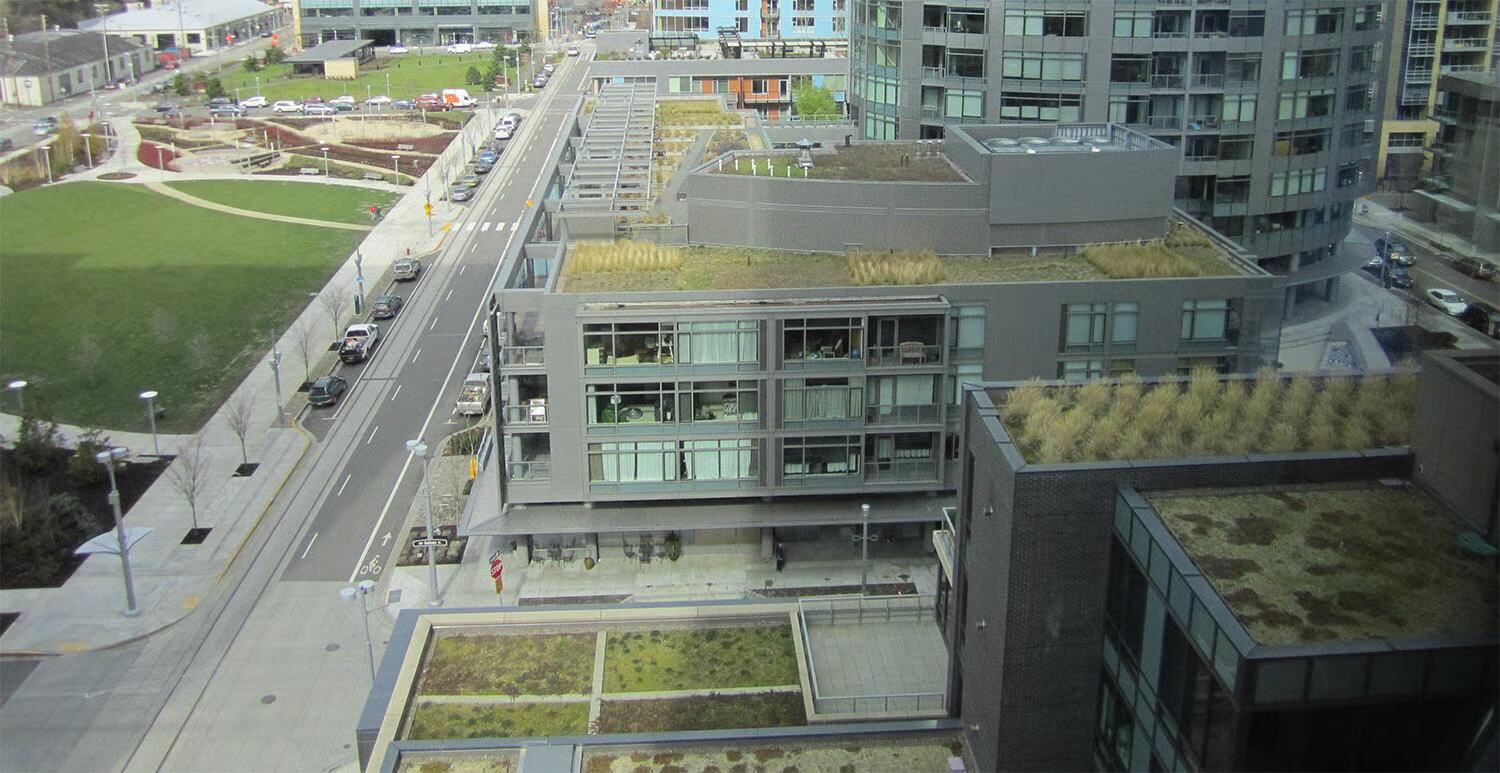

Green roofs offer a natural solution for combating urban noise in Portland, where traffic along Interstate 5 and bustling downtown streets often exceeds 70 decibels. Plants on these living rooftops absorb and diffuse sound waves, creating quieter indoor environments for residents and workers.
This article explores how vegetation reduces outdoor noise, drawing on Portland’s growing adoption of green infrastructure.
Mechanisms of Noise Reduction
Vegetation layers trap sound effectively through multiple physical processes. Leaves and stems scatter high-frequency noises like car horns, while soil substrates dampen low-frequency rumbles from trucks and trains common in Portland’s industrial zones.
- Sound Absorption: Plant foliage converts acoustic energy into heat via vibrations, unlike concrete roofs that reflect noise back into the air.
- Wave Diffraction: Dense plantings bend sound waves around obstacles, preventing direct transmission to building interiors.
- Destructive Interference: Varying densities in soil, roots, and drainage layers cause sound waves to cancel each other out.
In Portland’s rainy climate, moist soil enhances these effects, as waterlogged substrates further muffle vibrations.
Quantifiable Soundproofing Benefits
Studies confirm green roofs slash outdoor noise by significant margins, vital for Portland’s noise-sensitive neighborhoods like the Pearl District. A modest 120mm soil depth with plants cuts sound by 40 decibels, comparable to a quiet conversation.
Extensive green roofs, lightweight systems with shallow soil, achieve 40 dB reduction, while intensive versions with deeper soil and shrubs reach 46-50 dB. This outperforms traditional roofs by up to 50 percent, especially against low-frequency traffic noise prevalent near Portland’s Willamette River bridges.
Portland-Specific Advantages
Portland leads in green roof mandates, with over 100 installations citywide by 2026, thanks to the Bureau of Environmental Services’ incentives. These systems excel in the Pacific Northwest’s mild, wet weather, where evergreens like sedum thrive year-round, maintaining consistent sound barriers.
Local benefits include shielding waterfront condos from freight train horns and reducing airport noise spillover from Portland International Airport. Vegetation also masks natural sounds, like wind through high-rises, fostering serene rooftop patios.
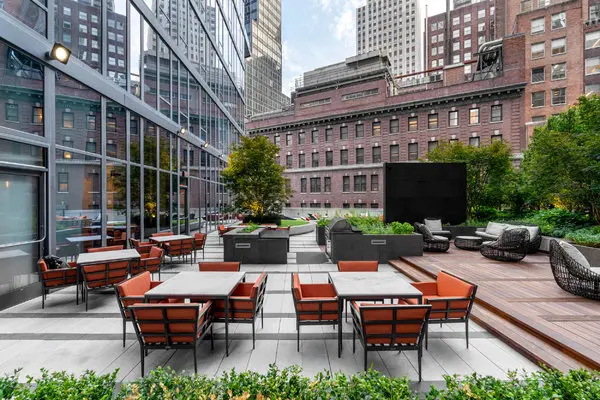
Layer-by-Layer Sound Control
Green roofs in Portland feature stratified components that collectively block noise.
- Vegetation Layer: Grasses and forbs absorb mid-to-high frequencies; Portland natives like kinnikinnick add density.
- Soil Substrate: Porous mixes trap low-end rumbles, outperforming rigid insulation in seismic-prone areas.
- Drainage and Root Barriers: Air pockets and membranes add mass, vibrating less than metal roofing.
- Waterproofing Base: Provides structural damping, essential for older brick buildings in Old Town.
This multi-layer approach ensures 360-degree noise mitigation, even from rooftop HVAC units common in Portland’s tech hubs.
Broader Impacts in Urban Portland
Beyond soundproofing, green roofs enhance Portland’s livability amid its 700,000 residents and growing density. They lower indoor noise complaints by 40 percent in retrofitted buildings, per local case studies, while supporting biodiversity, hummingbirds and bees create soothing ambient sounds.
Property values rise 5-15 percent in green-roof zones like the South Waterfront, attracting eco-conscious buyers. Maintenance involves simple pruning, aligning with Portland’s community gardening ethos.
Implementation Considerations for Portland
Installing a green roof costs $200-400 per square foot but pays off through energy savings and noise reduction over 40-year lifespans. Portland offers rebates via the Clean Energy Fund, covering up to 30 percent for compliant designs.
Choose drought-tolerant plants suited to Oregon’s USDA Zone 8b for low upkeep. Consult firms like EcoRoof Systems, with proven projects on the Ecotrust Building, to ensure structural integrity.
In Portland’s evolving skyline, green roofs transform noise-burdened rooftops into peaceful retreats. By harnessing plants’ innate acoustic properties, building owners create healthier spaces, proving nature’s engineering rivals any synthetic barrier.