


The Pacific Northwest offers some of the richest wildlife watching anywhere on the continent. Few regions pack so many species into such a small geographic area. Coastal waters teem with marine life. Old-growth forests shelter creatures rarely seen elsewhere. Wide-open skies host raptors that have become symbols of the continent itself.
For first-time visitors, the abundance can feel overwhelming. Where do you look? When do you go? What should you bring? A little preparation transforms a passive sightseeing experience into something closer to a meaningful encounter.
Why the Pacific Northwest Is a Wildlife Hotspot
Several factors combine to make this stretch of coast and forest so productive for wildlife. Cold nutrient-rich waters from the deep Pacific fuel a food chain that supports massive populations of fish. That fish supply feeds whales offshore and bears that come down to the rivers each summer to fatten up for winter. The temperate rainforests provide year-round cover for smaller mammals and migratory birds. The mountainous terrain offers nesting sites for raptors that need elevated lookouts.
This combination of ecosystems is unusual. Few places on earth let a visitor potentially see a humpback breach in the morning and a black bear forage in the afternoon.
Whales: The Headliners of the Coast
Several whale species inhabit Pacific Northwest waters depending on the season. Humpback whales are the most commonly sighted from late spring through early fall. They migrate up from warm-water breeding grounds in Mexico and Hawaii. Orcas, sometimes called killer whales, are present year-round in resident pods or pass through as transient hunters. Gray whales make their famous migration past the coast each spring on the way north to feeding grounds.
The best whale watching happens from a boat with an experienced captain who knows where the animals tend to feed. Travelers who book an Alaskan cruise often have whale sightings before they even reach the first port. The journey north passes through some of the most productive waters on the Pacific coast. Crew members typically announce sightings over the ship’s intercom so passengers can rush to the deck.
If you’re spotting whales from a smaller vessel, look for the misty exhale called a blow. It’s often visible before the whale itself. A pod surfacing together can produce a row of blows that stretches across the water. The breach itself, when a whale launches its body clear of the surface, remains one of the most memorable sights in nature.
Bears in the Wild
The Pacific Northwest is home to both black bears and brown bears, called grizzlies in inland regions. Coastal brown bears that feast on summer salmon runs grow especially large. A male coastal brown can weigh more than a thousand pounds by the time he heads into winter denning.
The best bear viewing happens at salmon streams during the late summer and early fall. Bears congregate at certain spots where fish are funneled into shallow water during their spawning run. Guided viewing platforms allow respectful observation without disturbing the animals. The Anan Wildlife Observatory in southeast Alaska and the famous Brooks Falls in Katmai are two of the most accessible spots for serious viewing.
Black bears are more widespread and easier to encounter casually. They often appear at the forest edge near roads in national parks. Always keep a respectful distance. Bears that lose their fear of humans usually meet a bad end.
Bald Eagles in Their Stronghold
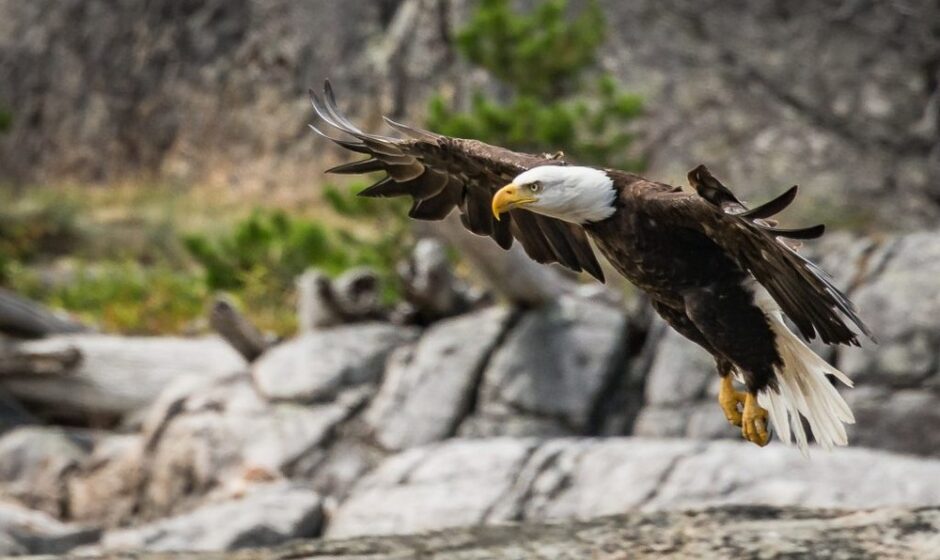
The Pacific Northwest hosts the highest concentration of bald eagles in the lower forty-eight states and the largest population anywhere outside Alaska. The Skagit and Nooksack rivers in Washington see hundreds of eagles each winter when salmon runs draw them in. Southeast Alaska supports even larger numbers year-round.
Adult eagles are unmistakable. The white head and tail contrasted against a dark body make identification easy from a distance. Juveniles can be confusing because they don’t develop the white plumage until they’re four or five years old. Young eagles look mottled brown and are often mistaken for hawks.
Look for eagles perched in tall conifers along rivers and shorelines. They tend to favor the highest exposed branches with a clear view of the water. Listen for their distinctive call, which is surprisingly thin and high-pitched for such a large bird.
Other Species Worth Watching For
The headliner species get most of the attention, but the Pacific Northwest hosts plenty of other wildlife worth a second look. Sea otters drift on their backs in coastal kelp beds. Harbor seals haul out on rocks and small islands. Mountain goats cling to cliffs at higher elevations. Stellar’s sea lions gather in noisy rookeries on offshore rocks. Sitka black-tailed deer pick through the rainforest understory.
The bird life is rich beyond just eagles. Tufted puffins nest on offshore islands during the summer breeding season. Marbled murrelets fly from the inland forests where they nest down to the ocean to feed. Common ravens are everywhere and worth watching for their intelligence alone.
Practical Tips for Spotting Wildlife
Bring binoculars. Even a modest pair transforms the experience entirely. A pair of 8×42 binoculars is the sweet spot for most general wildlife viewing. They offer enough magnification to identify distant animals without being so powerful that hand shake becomes a problem.
Dress in muted colors. Bright clothing can spook some species before you get close enough to observe them. Move slowly and quietly. Pause often to scan the area rather than walking through quickly. Wildlife tends to reveal itself to patient observers who stay still.
Early morning and late evening are the best times for most species. Animals are more active when temperatures are cooler and human traffic is lighter.
Respect Comes First
The best wildlife encounters happen when the animal isn’t aware of you or isn’t bothered by your presence. Keep recommended distances. Use zoom lenses rather than trying to get closer for a photo. Pack out everything you bring in. The privilege of seeing these species depends entirely on protecting the habitats that support them.