

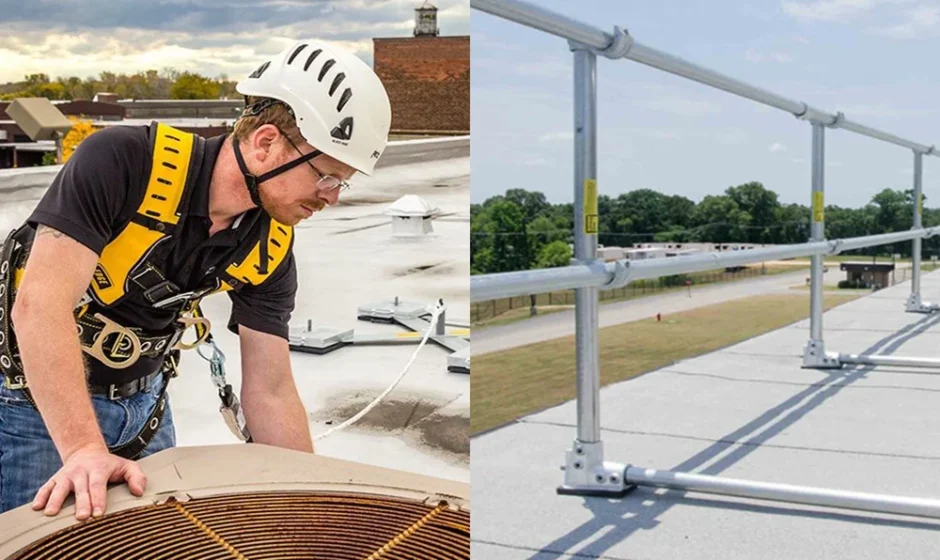

Working at heights comes with a unique set of challenges that demand more than just courage and basic safety gear. Every year, industries from construction to commercial cleaning face the question: how can teams perform tasks tens of meters above ground both efficiently and safely? The answer lies not just in equipment, but in the evolving field of vertical solutions.
Early Challenges in Working at Heights
Long before modern rope techniques, working above ground level meant assembling cumbersome scaffolding or risking lives on uncertain platforms. Crews spent more time preparing access than actually completing the work. The risk of falls, delays, and escalating costs lingered over every project.
Traditional Methods and Their Limitations
Old-school methods relied heavily on scaffolding, lifts, or cranes. These systems often required significant setup time and space, disrupted surroundings, and drove up project budgets. Even more troubling was the limited ability to reach complex or awkward structures, leaving many jobs out of reach or incomplete.
The Need for Specialized Vertical Solutions
As architecture became more ambitious and urban landscapes denser, the limits of conventional access methods became impossible to ignore. Whether for inspecting crumbling facades or maintaining modern glass towers, industries craved a smarter way to tackle hard-to-reach areas.
Emergence of Rope Access Techniques
The late 20th century saw a breakthrough: rope access. Developed from techniques used in caving and mountaineering, rope access allowed technicians to safely descend and traverse buildings with unmatched flexibility.
Origins and Development of Rope Access
Initially, these techniques were adapted by industrial climbers and engineers needing to access oil rigs or tall structures. Over time, the process was refined, standardized, and adopted by urban service providers worldwide.
Key Certifications: SPRAT and IRATA Explained
Two major organizations define standards in this field: SPRAT (Society of Professional Rope Access Technicians) and IRATA (Industrial Rope Access Trade Association). Both require extensive hands-on training and multi-level certification, ensuring that technicians not only understand safety but can apply it instinctively in dynamic environments.
Advantages Over Conventional Access Methods
Rope access slashes setup times, eliminates the need for heavy machinery, and drastically reduces impact on the worksite. More importantly, it allows precise, surgical interventions in places where scaffolding simply cannot go.
Modern Vertical Solutions: Technologies and Practices
Today’s rope access teams are equipped with gear that would make early pioneers envious. Innovations in harnesses, carabiners, and fall-arrest systems have made vertical work safer and faster.
Equipment Innovations Enhancing Safety and Efficiency
Technological advancements mean lighter, stronger ropes, smarter locking systems, and digital tools for planning and monitoring. All these features combine to create an environment where safety and speed go hand in hand.
Integration of Fall Protection Systems
Fall protection is non-negotiable. Modern solutions integrate backup lines, shock absorbers, and anchor systems that complement rope access, minimizing the risk of accidents even further.
Training and Skill Development for Technicians
Certification is just the beginning. Leading providers, such as Vertical Solutions in Montreal, invest in ongoing training, scenario drills, and skills refreshers, ensuring teams remain sharp and adaptive to new safety standards and site-specific challenges.
Safety and Regulatory Framework Evolution
As the industry matured, so did the regulations. Today, compliance is enforced by both government bodies and industry self-regulation.
Regulatory Standards Impacting Vertical Work
Quebec’s CNESST and other authorities mandate strict protocols for any work at heights, from initial site assessments to equipment inspections and rescue plans.
The Role of Certification Bodies and Insurance
Accreditation by organizations like SPRAT and IRATA is a mark of competence. Coupled with robust insurance coverage, these certifications protect both workers and clients, giving peace of mind on high-stakes projects.
Implementing Rigorous Safety Protocols
From daily toolbox meetings to rescue drills, safety is baked into every job. Only those who treat it as a culture, not a checkbox, can achieve the zero-incident record clients demand.
Environmental and Operational Impacts
Rope access isn’t just safer; it’s greener and more adaptable.
Minimizing Environmental Footprint Without Scaffolding
With no need for massive structures or heavy equipment, sites remain undisturbed and projects generate less waste. This aspect is especially important in sensitive urban or historical areas.
Adapting Solutions for Diverse and Difficult Sites
Whether it’s a glass tower, historic church, or bridge, today’s rope access teams customize methods to match the environment, proving that there’s no one-size-fits-all solution.
Balancing Speed, Cost, and Quality in Project Execution
By cutting setup time and avoiding costly machinery, rope access delivers a rare combination: projects that are faster, more affordable, and uncompromising in quality.
Case Studies and Success Stories from Vertical Solutions
Montreal’s Vertical Solutions has built a reputation for tackling some of the city’s most complex vertical challenges, from facade repairs to intricate installations in confined spaces.
Satisfied clients consistently point to the expertise, safety standards, and adaptability of the team, proof that certified rope access isn’t just a trend, but a proven solution for modern urban challenges.
Future Trends and Innovations in Working at Heights
Looking ahead, the industry is set for even more transformation.
Emerging Technologies and Materials
Expect lighter, stronger fibers, digital job planning, and real-time monitoring to become standard, raising the bar for both safety and efficiency.
Increasing Automation and Remote Monitoring
Drones and remote sensors are beginning to complement human expertise, enabling better inspections and data gathering from the ground.
Expanding Applications and Workforce Development
With more industries recognizing the value of rope access, demand for certified technicians is only set to grow.
Choosing the Right Vertical Solution Provider
Selecting a provider is about more than price.
Evaluating Expertise, Certifications, and Experience
Look for teams with SPRAT or IRATA accreditation, an established safety record, and diverse project experience. Specialized knowledge matters, especially in environments with unique access or regulatory complexities.
Importance of Responsiveness and Reliability
A trustworthy team responds quickly and delivers consistent results. As Montreal clients have learned, responsiveness is as valuable as technical skill.
Customizing Solutions to Meet Specific Project Needs
Every building, repair, or inspection is different. Providers like Vertical Solutions work at heights tailor their approach to each client, ensuring the best outcomes with minimal disruption.
When it comes to working at heights, a thoughtful approach to safety, skill, and adaptability makes all the difference. In the hands of the right team, vertical solutions transform risky challenges into opportunities for efficiency, innovation, and lasting results.