

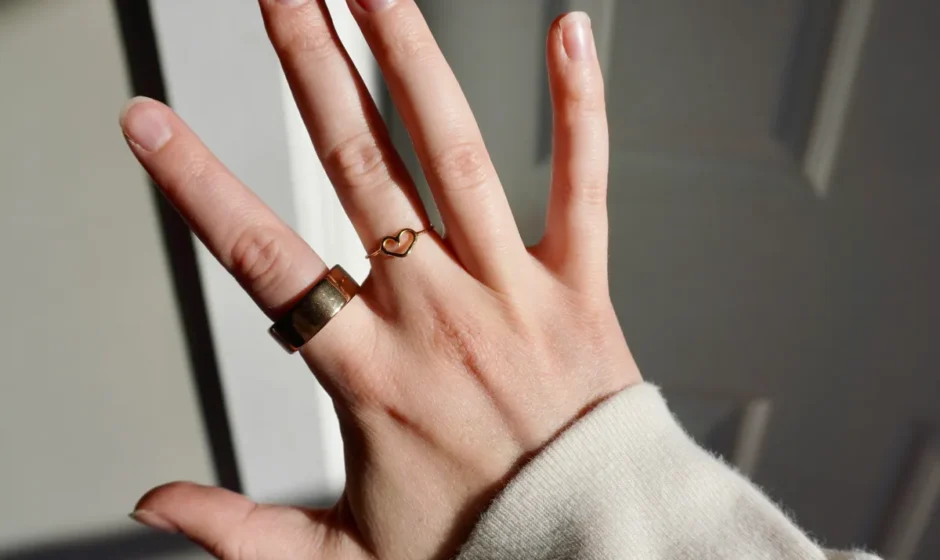

Smart rings have had a quiet few years of becoming genuinely good. The first generation was an expensive novelty, but what exists in 2026 is meaningfully different: devices that track sleep staging, HRV, and skin temperature trends from a frame that weighs under 4 grams. When looking for the best smart ring, the choice now comes down to which software ecosystem provides the most actionable data for your specific lifestyle.
The best smart ring in 2026 is the Oura Ring 4 for most people – it has the strongest combination of health accuracy, sleep tracking, and a well-developed app ecosystem. The Samsung Galaxy Ring is the best option for Android users already in the Samsung ecosystem. The Ultrahuman Ring Air is the best choice if you refuse to pay a subscription fee. The RingConn Gen 2 is the best value option for those who want solid tracking at a lower entry cost.
What Smart Rings Actually Track
| Metric | What It Tells You | Accuracy Level (2026 rings) |
|---|---|---|
| Heart Rate (resting) | Cardiovascular baseline, fitness level | High – comparable to optical chest straps |
| Heart Rate Variability (HRV) | Recovery status, stress, nervous system balance | Good – best rings match research-grade accuracy during sleep |
| SpO2 (Blood Oxygen) | Sleep apnoea risk, respiratory health | Moderate – trend tracking rather than clinical-grade |
| Skin Temperature | Illness onset, menstrual cycle tracking, stress signal | Good for trend detection, not absolute measurement |
| Sleep Staging (REM/Deep/Light) | Sleep quality, recovery depth | Good – not perfect, but actionable for most users |
| Activity / Steps | Daily movement, exercise detection | Moderate – rings are less accurate than wrist devices for movement |
| Readiness / Recovery Score | AI-composite score for training load vs. recovery | Varies by ring – Oura and Ultrahuman strongest |
Best Smart Rings 2026 – Full Comparison
| Ring | Price | Subscription | Battery Life | Key Strength | Best For |
|---|---|---|---|---|---|
| Oura Ring 4 | $349-$549 | $5.99/month | 8 days avg | Best sleep tracking + app ecosystem | Health-focused users who want depth |
| Samsung Galaxy Ring | $399 | $0 (with Samsung Health) | 7 days avg | Samsung ecosystem integration, no sub fee | Android/Samsung users |
| Ultrahuman Ring Air | $349 | $0 (lifetime) | 5-6 days | No subscription, solid HRV tracking | Subscription-averse users |
| RingConn Gen 2 | $199 | $0 (lifetime) | 9-10 days | Best battery life, strong value | Budget-conscious buyers |
| Circular Ring Slim | $299 | Optional ($4.99/mo) | 4-5 days | Slimmest profile, haptic feedback | Fashion-forward users, thin form factor |
| Amazfit Helio Ring | $299 | $0 | 4 days | Open platform, gym/fitness focus | Fitness-first users, open ecosystem fans |
Top 4 Deep Dives
Oura Ring 4 – Still the benchmark by which other rings are judged. The fourth generation brought improved sensors, better SpO2 accuracy, and a titanium shell with no gap design that eliminates the minor comfort issues of earlier versions. The app is the best in the category – genuinely thoughtful in how it presents sleep staging, HRV trends, and readiness scores without overwhelming users with numbers. The $5.99/month subscription is a legitimate criticism; Oura’s counterargument is that the ongoing investment funds continued algorithm improvements and feature development. Whether that justifies the fee depends on how seriously you engage with the data.
Samsung Galaxy Ring – Samsung’s entry into the smart ring market changes the value equation significantly for Galaxy phone users. The ring syncs natively with Samsung Health, eliminates the subscription fee entirely (for Samsung users), and benefits from Samsung’s substantial investment in health sensor research. The Bowtie sensor design places multiple sensors in positions that optimise skin contact. Where it falls short: the app experience is less refined than Oura’s, and the health insights are less actionable for non-Samsung users.
Ultrahuman Ring Air – The most principled product position in the category: buy it once, pay nothing again. The Ring Air is genuinely competitive on sensor quality with the Oura and Samsung – HRV tracking and sleep staging hold up in comparison studies. The form factor is among the lightest available. The Ultrahuman app has improved considerably and now provides the kind of actionable insights that justified the Oura subscription for many users. For anyone who finds subscription models genuinely objectionable, this is the answer.
RingConn Gen 2 – The biggest surprise in the 2026 smart ring market. At $199 with no subscription and 9-10 days of battery life, the RingConn Gen 2 competes with rings that cost twice as much. Sleep tracking accuracy is solid rather than exceptional – it will not give you the HRV depth of the Oura or Ultrahuman, but for most users who want sleep quality data and activity tracking without spending $350+, it delivers the core of what a smart ring should do.
Subscription vs. No Subscription: Does It Actually Matter?
| Factor | Subscription Ring (Oura) | No-Subscription Ring (Ultrahuman, RingConn) |
|---|---|---|
| Upfront cost | $349-$549 | $199-$349 |
| Monthly ongoing | $5.99/month | $0 |
| 2-year total cost | $493-$693 | $199-$349 |
| 5-year total cost | $708-$908 | $199-$349 |
| What the sub pays for | Advanced algorithms, ongoing app features, health reports | Nothing – you own the product outright |
| Risk if company closes | Could lose access to premium features | Core features usually remain functional |
Smart Ring vs. Smartwatch: Which Should You Choose?
- Choose a smart ring if: you want 24/7 health monitoring with no screen distraction, you wear a mechanical watch and do not want to replace it, or you prioritise passive health data over active notifications
- Choose a smartwatch if: you need notifications, GPS for outdoor workouts, music controls, payments, or active health coaching features
- Many serious users wear both – ring for sleep/recovery tracking (more accurate overnight than most watches), watch for daytime workout tracking and notifications
Final Verdict
- Best overall: Oura Ring 4 – for users who engage seriously with health data
- Best for Android/Samsung users: Samsung Galaxy Ring – native ecosystem, no subscription
- Best no-subscription option: Ultrahuman Ring Air – competitive sensors, lifetime data
- Best value: RingConn Gen 2 – $199 with no sub covers most users’ actual needs
- Best for thin-ring preference: Circular Ring Slim – lightest and lowest profile available
The smart ring category has matured enough that there is no bad choice among the top four. The decision now comes down to ecosystem, subscription tolerance, and how deeply you want to engage with the data. Casual health trackers do not need Oura’s depth. Data-driven athletes probably do.